Light Stream
Guided visualization to release physical tension
When your body holds tension, pain, or discomfort after an EMDR session, this technique helps you transform it. The Light Stream is a Phase 2 visualization where you imagine a healing light that dissolves difficult physical sensations.
What is the EMDR Light Stream Technique?
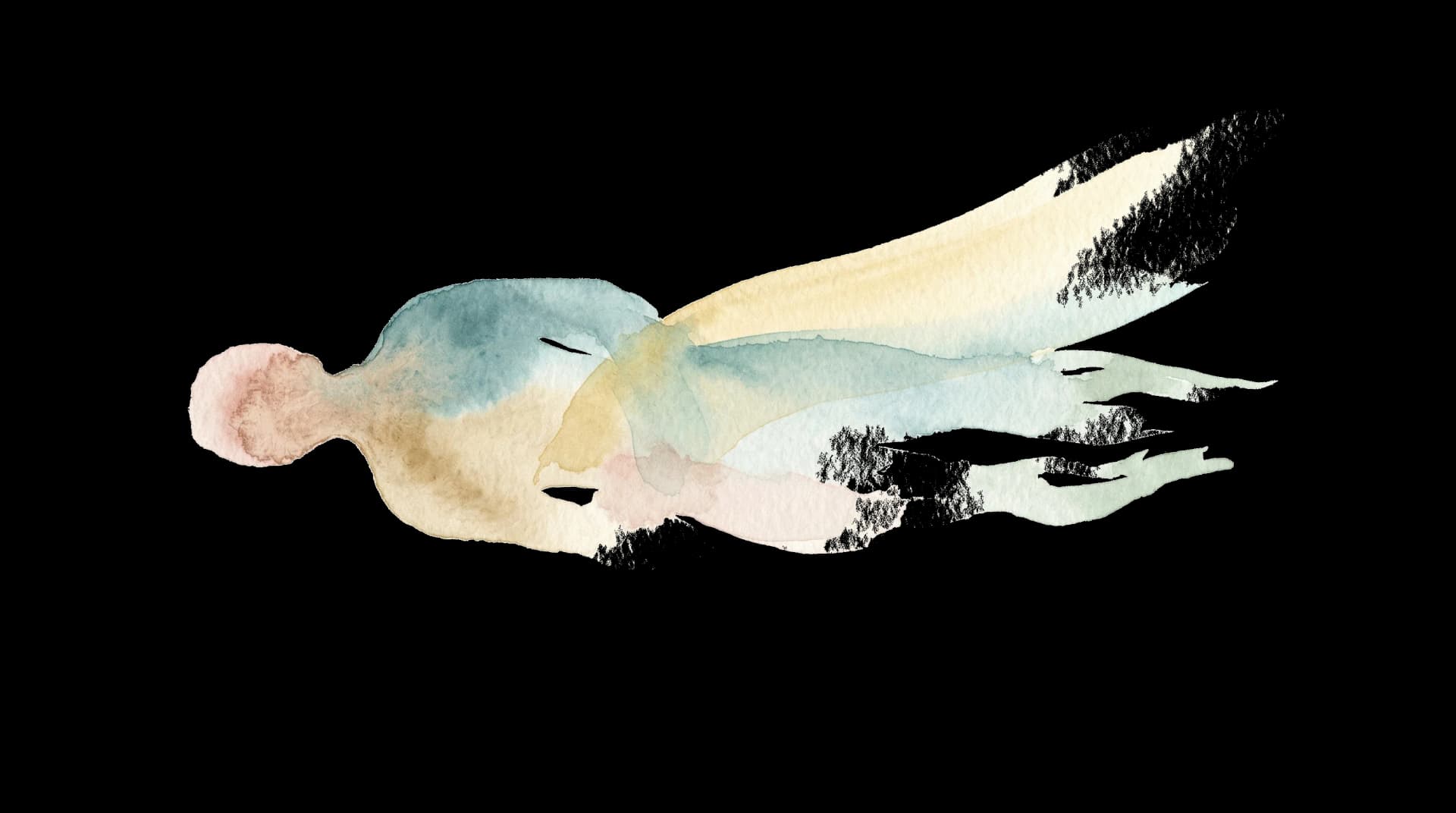
The Light Stream is a visualization technique from Phase 2 (Preparation) of the EMDR protocol designed to release tension, pain, or physical discomfort associated with traumatic experiences or emotional processing. It was described by Francine Shapiro in her standard protocol and is used when the body holds difficult sensations that don't dissolve with breathing or relaxation alone.
Unlike the Container Exercise, which stores emotions and memories for later processing, the Light Stream works directly with physical sensations: chest tightness, a knot in the stomach, throat pressure, headaches. You give the sensation a shape, color, and temperature, then visualize a healing light that transforms it.
It's especially useful after intense EMDR sessions, when the body remains activated even though you emotionally feel calmer. It complements the Safe Place (mental refuge) and the Butterfly Hug (alternating tapping to calm yourself). To understand how it fits into the full protocol, see our guide to the 8 phases of EMDR.
How to practice the Light Stream
- 1
Scan your body and locate the sensation. Close your eyes and mentally scan your body from head to toe. Look for any area of tension, pressure, pain, or discomfort. When you find it, stay there with your attention.
- 2
Give the sensation a shape. Without trying to change it, observe it with curiosity: if it had a shape, what would it be? How big is it? What color is it? Is it hot or cold? Does it have a texture: rough, smooth, sharp? These questions aren't looking for a "right" answer, just helping your mind connect with what your body feels.
- 3
Choose the color of your healing light. Think of a color you associate with healing, calm, or positive energy. It can be any color, as long as it's different from the color of the sensation. Decide whether your light is warm or cool.
- 4
Direct the light toward the sensation. Imagine that light entering through the top of your head and moving directly toward the area where the sensation is. Visualize the light wrapping around the shape, resonating with it, vibrating around and through it.
- 5
Watch it change. As the light works, the shape may change in size, color, temperature, or texture. It might get smaller, lighter, softer. Let the process happen without forcing it. If it doesn't change at first, keep breathing and holding the image.
- 6
Continue until the sensation dissolves. Repeat the process: the light keeps entering, vibrating, and transforming. With each breath, the shape loses intensity. If it doesn't disappear completely, that's okay. Any change is progress.
- 7
Fill your entire body with light. Once the sensation has reduced or dissolved, expand the light throughout your whole body: from your feet to your hands, your chest, your head. Feel every area filling with calm and lightness.
- 8
Return to the present. Open your eyes, look around, notice your feet on the ground. If emotions surface alongside physical sensations during the exercise, that's normal: you can pause and go to your Safe Place. The full exercise usually takes 5 to 10 minutes. Afterward, drink some water or do a gentle stretch.
When should you use the Light Stream?
The Light Stream is especially useful when the discomfort is physical rather than emotional:
After an EMDR session, when your body holds tension, heaviness, or pain even though you emotionally feel calmer. It's a natural complement to the self-care strategies after EMDR.
During continued processing between sessions, if you notice persistent body sensations (knot in the stomach, chest pressure, headache) related to the therapeutic work.
For chronic pain or habitual tension associated with stress or trauma. While it does not replace medical treatment, it can help reduce the emotional component of pain.
Difference from the Container: the Container Exercise stores emotions and memories for later processing. The Light Stream transforms physical sensations in the moment. They are complementary: you can store emotional material in the container and then use the Light Stream to release any tension left in the body. If you're considering EMDR therapy, explore how our online EMDR platform works.
Evidence and references
- Shapiro, F. (2018). Eye Movement Desensitization and Reprocessing (EMDR) Therapy: Basic Principles, Protocols, and Procedures (3rd ed.). Guilford Press. Chapter on stabilization techniques, Phase 2.
- Hase, M. (2021). The Structure of EMDR Therapy: A Guide for the Therapist. Frontiers in Psychology, 12, 660753.
- Dynamic Healing Collective. EMDR Series 7: Phase 2 Techniques - Light Stream.
- Acadia Psychotherapy. Light Stream Exercise: EMDR Phase 2 Guided Audio.
Frequently asked questions
This resource is a complementary tool and does not replace therapy with a qualified professional. If you experience significant distress, contact your therapist.